
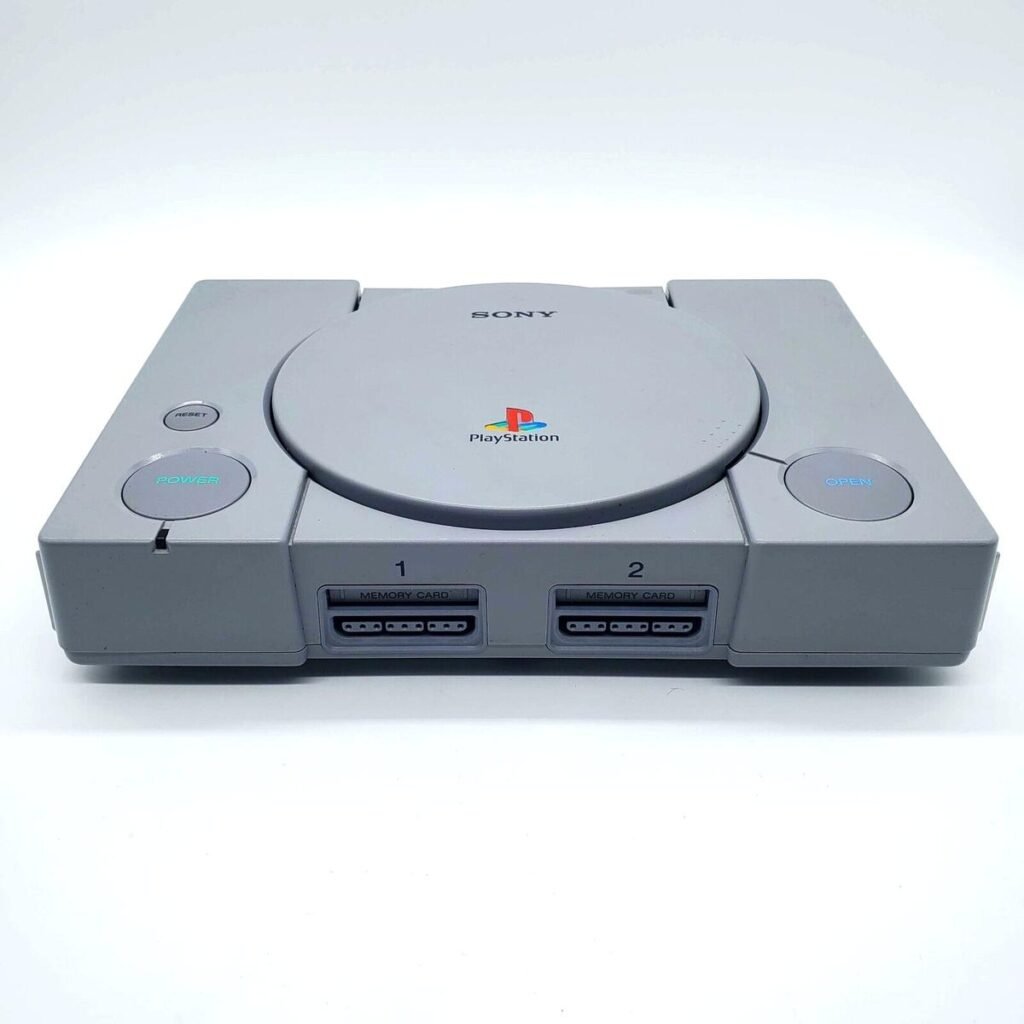
PlayStation is one of the most successful gaming brands in the world. Created by Sony Interactive Entertainment, it has shaped the console gaming industry for decades. From its first release in the 1990s to the powerful PlayStation 5, the brand has consistently pushed technology, gaming experiences, and entertainment forward.
The history of PlayStation is a story of innovation, competition, and global success.
Table of Contents
ToggleThe Beginning of PlayStation
The original PlayStation (PS1) was released in 1994 in Japan and 1995 worldwide. It quickly became a revolutionary console due to its use of CD-ROMs instead of cartridges.
Why PS1 Was Important
- Affordable 3D gaming
- Large game library
- CD-based storage
- Strong third-party support
Popular games like Final Fantasy VII, Tekken, and Crash Bandicoot helped define the system’s success.
PlayStation 2: The Best-Selling Console
The PlayStation 2 (PS2), released in 2000, became the best-selling console of all time.
Key Features
- DVD playback support
- Massive game library
- Backward compatibility with PS1
- Improved graphics and processing
Iconic Games
- GTA: San Andreas
- God of War
- Shadow of the Colossus
- Metal Gear Solid 2
The PS2 defined the golden age of console gaming.
PlayStation 3: The Blu-ray Era
The PlayStation 3 (PS3), released in 2006, introduced powerful hardware and Blu-ray technology.
Key Innovations
| Feature | Impact |
|---|---|
| Blu-ray support | High-definition gaming & movies |
| PlayStation Network | Online multiplayer expansion |
| HD graphics | Improved realism |
| Digital downloads | Early digital game store |
Although it had a difficult launch due to its price, the PS3 eventually became a strong success.
PlayStation 4: The Modern Gaming Boom
The PlayStation 4 (PS4), released in 2013, marked a return to simplicity and performance.
Why PS4 Was Successful
- Developer-friendly architecture
- Strong exclusive games
- Social sharing features
- Affordable price compared to competitors
Famous Exclusives
- The Last of Us Part II
- God of War (2018)
- Spider-Man
- Horizon Zero Dawn
The PS4 dominated the console generation.
PlayStation 5: The New Generation
The PlayStation 5 (PS5), released in 2020, represents a major leap in performance and design.
Key Features
- Ultra-fast SSD loading
- Ray tracing graphics
- 3D audio technology
- DualSense adaptive triggers
The PS5 focuses on immersive gameplay experiences with near-instant loading times and realistic visuals.
PlayStation Network and Digital Growth
PlayStation Network played a major role in PlayStation’s evolution.
Key Services
- Online multiplayer
- Digital game purchases
- Cloud saves
- Subscription services like PlayStation Plus
This shift helped Sony move toward a digital-first gaming ecosystem.
The Rise of PlayStation Exclusives
One of PlayStation’s biggest strengths is its exclusive games.
Notable Exclusives
- God of War series
- Uncharted series
- The Last of Us series
- Spider-Man series
These games are known for storytelling, cinematic quality, and gameplay innovation.
Competition with Xbox
PlayStation has long competed with Microsoft’s Xbox.
Key Differences
| PlayStation | Xbox |
|---|---|
| Strong exclusives | Game Pass ecosystem |
| Story-driven games | Subscription focus |
| Global popularity | Strong online services |
This competition has pushed both companies to innovate continuously.
Final Thoughts
The history of PlayStation shows how gaming consoles evolved from simple 3D systems to powerful entertainment platforms. Created by Sony Interactive Entertainment, PlayStation has consistently shaped the gaming industry through innovation, exclusive titles, and technological advancement.
From the original PS1 to the advanced PS5, each generation has improved gaming experiences and set new standards for the industry. Today, PlayStation remains one of the most important names in global gaming culture, with a legacy that continues to grow.