
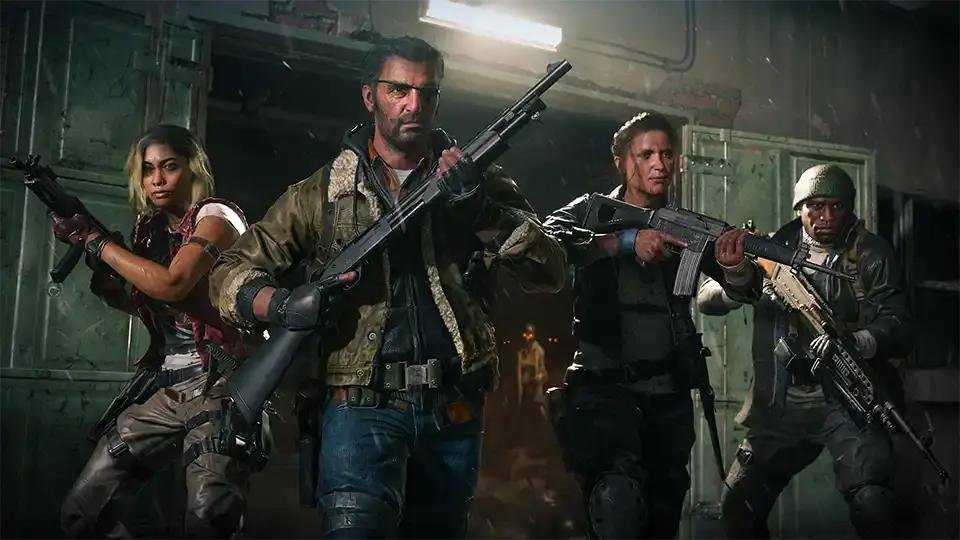
The Call of Duty franchise is one of the most influential series in gaming history. Developed by Activision, it has evolved from a World War II shooter into a massive global entertainment platform featuring modern warfare, futuristic combat, and battle royale experiences.
Over the years, Call of Duty has continuously reinvented itself, adapting to new technologies, player expectations, and gaming trends while maintaining its core identity: fast-paced, cinematic first-person shooter gameplay.
Table of Contents
ToggleThe Beginning: World War II Era (2003–2008)
The first Call of Duty games focused heavily on World War II battles.
Key Features of Early Games
- Historical war settings
- Squad-based combat
- Cinematic missions
- Realistic battlefield environments
Games like Call of Duty (2003) and Call of Duty 2 introduced players to immersive war storytelling that felt more intense than many shooters at the time.
Later, Call of Duty: World at War introduced the Zombies mode, which became a legendary part of the franchise.
The Modern Warfare Revolution (2007–2011)
The release of Call of Duty 4: Modern Warfare completely changed the franchise.
Major Innovations
| Feature | Impact |
|---|---|
| Modern setting | Shifted away from WWII |
| Perk system | Added player customization |
| Killstreaks | Rewarded performance |
| Online ranking | Competitive multiplayer growth |
This era established Call of Duty as the dominant multiplayer shooter worldwide.
Black Ops Era and Storytelling Expansion (2010–2015)
The Black Ops series expanded storytelling and introduced deeper narratives involving espionage, Cold War history, and psychological warfare.
Key Highlights
- Complex storylines
- Iconic multiplayer maps like Nuketown
- Expanded Zombies mode
- Character-driven campaigns
This era balanced competitive multiplayer with strong single-player experiences.
Advanced Warfare and Futuristic Combat (2014–2017)
As technology evolved, Call of Duty explored futuristic warfare.
New Gameplay Elements
- Exoskeleton movement systems
- Jetpacks and vertical mobility
- Advanced weapons and gadgets
- Faster-paced combat mechanics
While controversial among fans, this era pushed innovation in movement and design.
The Return to Boots-on-the-Ground (2017–2019)
Games like Call of Duty: WWII and Black Ops 4 brought the series back to more grounded combat.
Why This Shift Happened
- Player demand for realism
- Competitive balance improvements
- Return to classic mechanics
This period focused on refining core shooting mechanics rather than futuristic systems.
Warzone and the Battle Royale Revolution (2020–Present)
The release of Call of Duty: Warzone marked a major turning point.
Key Features
- Massive 150+ player battles
- Free-to-play model
- Gulag respawn system
- Large evolving maps
Warzone helped Call of Duty compete directly with other battle royale giants and brought millions of new players into the franchise.
Modern Call of Duty: Live-Service Era
Today, Call of Duty operates as a live-service platform rather than just annual releases.
Key Features of Modern Era
- Seasonal content updates
- Battle pass progression system
- Cross-platform play
- Regular weapon balancing
- Constant map expansions
This keeps players engaged year-round instead of only during new releases.
Esports and Competitive Growth
Call of Duty also became a major esports title.
Competitive Features
- Ranked multiplayer modes
- Professional Call of Duty League
- Global tournaments
- High-skill competitive gameplay
The franchise continues to grow as a competitive platform worldwide.
Final Thoughts
The evolution of Call of Duty shows how a game series can adapt and survive for decades. From its roots in World War II shooters to modern-day battle royale experiences like Call of Duty: Warzone, the franchise has constantly reinvented itself while maintaining its fast-paced combat identity.
Developed by Activision, Call of Duty continues to set standards in shooting mechanics, multiplayer design, and live-service gaming.
Its evolution is not just a history of a game series—it is a reflection of how the entire first-person shooter genre has changed over time.