Fortnite is more than just a video game—it is a cultural phenomenon that reshaped how modern games are played, marketed, and experienced. Developed by Epic Games, Fortnite introduced new ideas that influenced the entire gaming industry, especially the battle royale genre, live events, and cross-platform play.
Since its release, Fortnite has changed not only gameplay mechanics but also how developers think about community engagement and long-term game support.
Table of Contents
ToggleThe Rise of Battle Royale
Fortnite became globally popular after launching its Battle Royale mode in 2017. This mode dropped 100 players onto a shrinking island where the last player or team standing wins.
Why It Became Popular
- Free-to-play model
- Fast-paced gameplay
- Simple controls
- Regular updates
- Fun building mechanics
Unlike traditional shooters, Fortnite added a unique building system that allowed players to construct walls, ramps, and structures during combat.
Building Mechanics Changed Combat
One of Fortnite’s biggest innovations is its building system.
Impact on Gameplay
| Feature | Effect on Gaming |
|---|---|
| Real-time building | Added strategy to combat |
| Editing structures | Increased skill ceiling |
| Resource gathering | Introduced survival element |
| Defensive building | Changed shooting mechanics |
This system made Fortnite stand out from other battle royale games like PUBG or Apex Legends.
The Live Event Revolution
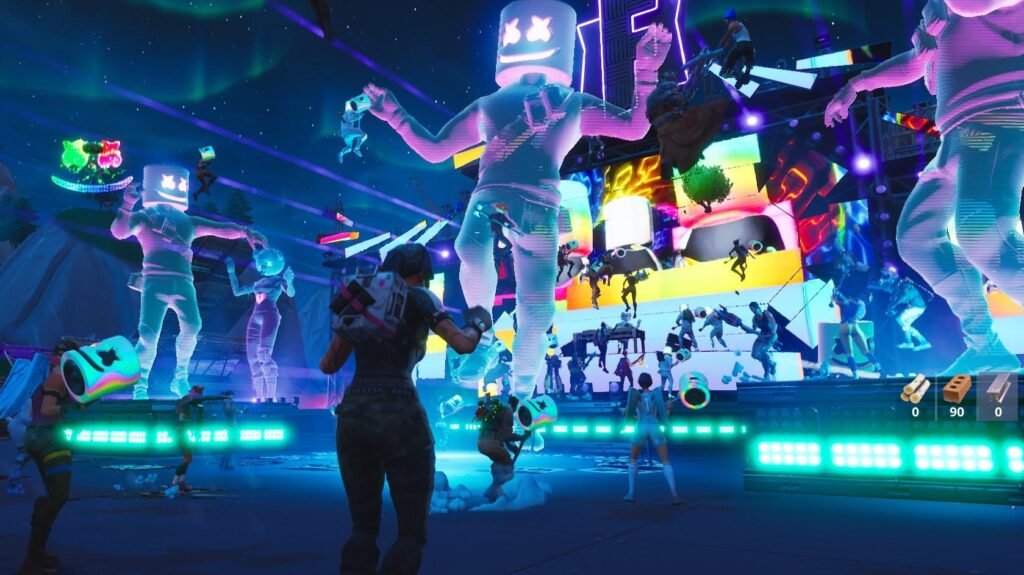
Fortnite introduced live in-game events that changed how players experience games.
Instead of just playing matches, millions of players can now witness real-time events inside the game.
Famous Events
- Travis Scott Concert
- Marshmello Concert
- The Black Hole event
- Chapter finale events
These events turned Fortnite into a virtual entertainment platform, not just a game.
Fortnite as a Social Platform
Fortnite is no longer just a battle royale game—it functions like a social space.
Players can:
- Hang out with friends
- Watch concerts
- Explore creative maps
- Join community experiences
This shift helped redefine gaming as a social and entertainment ecosystem.
Cross-Platform Gaming Revolution
Fortnite was one of the first major games to fully support cross-platform play.
Supported Platforms
| Platform | Crossplay Support |
|---|---|
| PC | Yes |
| PlayStation | Yes |
| Xbox | Yes |
| Nintendo Switch | Yes |
| Mobile | Yes |
This allowed players on different devices to compete together, breaking traditional platform barriers.
The Rise of Fortnite Esports
Fortnite also played a major role in esports growth.
The Fortnite World Cup offered millions of dollars in prize money, bringing competitive gaming into mainstream attention.
Impact on Esports
- Increased global viewership
- New professional players emerged
- Massive prize pools
- Youth-driven competitive scene
Esports became more accessible to younger players due to Fortnite’s popularity.
Frequent Updates Changed Player Expectations
Epic Games transformed how live-service games operate.
Fortnite Update Strategy
- Weekly content updates
- Seasonal map changes
- New weapons and mechanics
- Story-driven events
This created a constantly evolving game world that keeps players engaged.
Influence on the Gaming Industry
Fortnite influenced many other games and studios.
Industry Changes Inspired by Fortnite
- Free-to-play battle pass systems
- Seasonal content models
- Live in-game events
- Cosmetic-focused monetization
- Cross-platform gaming standards
Many modern games now follow Fortnite’s update and monetization structure.
Criticism and Challenges
Despite its success, Fortnite also faced criticism:
- Highly competitive gameplay can be difficult for beginners
- Heavy focus on cosmetics and microtransactions
- Constant updates may overwhelm casual players
However, its popularity has remained strong despite these concerns.
Final Thoughts
Fortnite changed gaming in multiple ways—from introducing innovative building mechanics to redefining live events and cross-platform play. Developed by Epic Games, it evolved from a simple battle royale into a global entertainment platform that blends gaming, social interaction, and digital events.
Its influence can be seen across the entire gaming industry today, as many modern games now adopt Fortnite-inspired systems such as seasonal updates, battle passes, and live events.
In many ways, Fortnite didn’t just become a popular game—it changed what video games could be.